
Technology, Science, Environment and Medicine
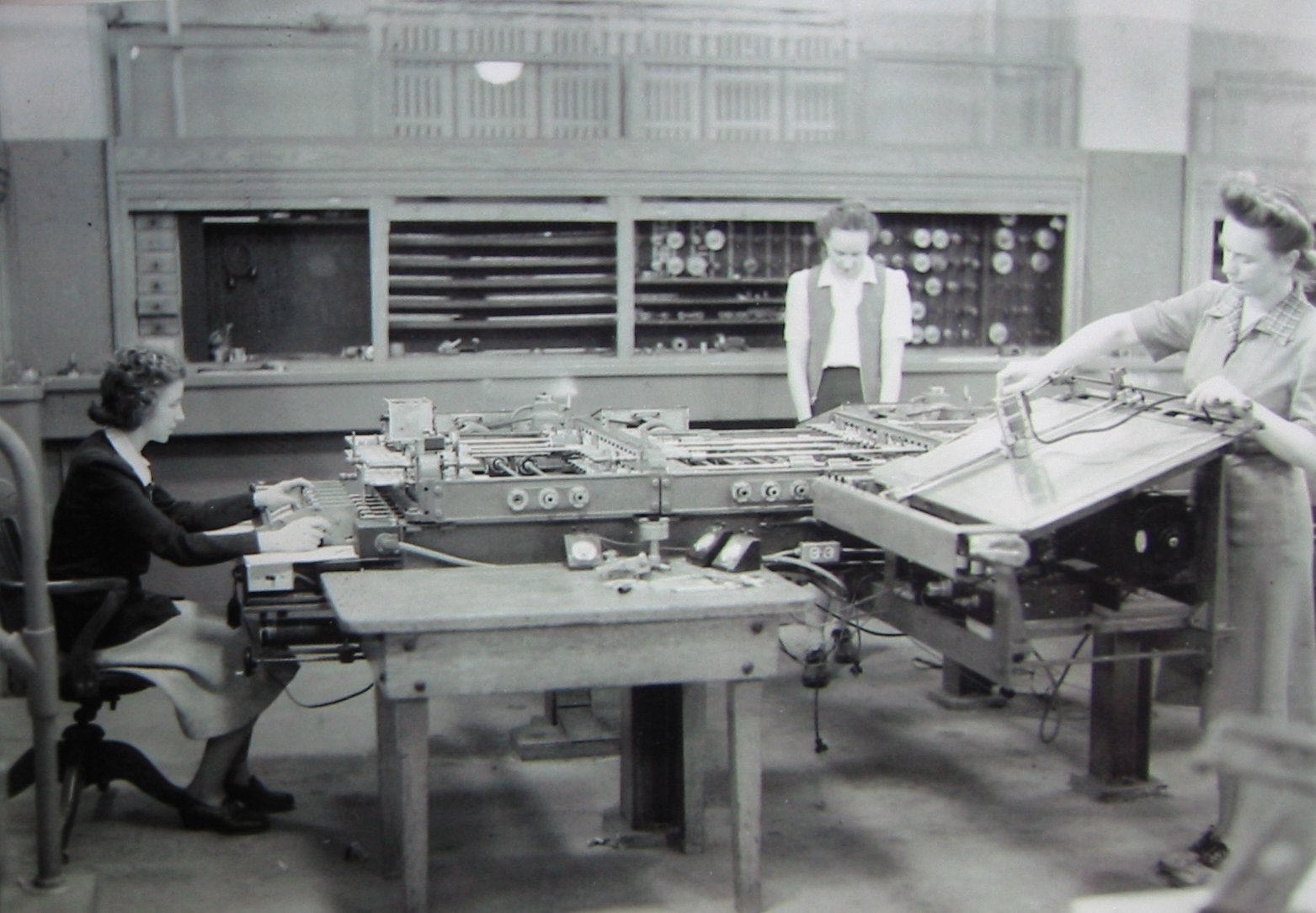
The History of Technology, Science, Environment and Medicine program at the University of Maryland is one of the strongest in the Mid-Atlantic region.
Technology, Science, Environment and Medicine
Graduate students may concentrate in this field while pursuing the MA, HiLS, HiHP, or PhD degree in History.
Our key faculty strengths are in global environmental history, including infrastructure, environmental justice, and environmental crisis, as well as 19th and 20th century history of science, technology, and knowledge more broadly; transnational history of medicine; and climate history. Faculty expertise spans the Americas, the North Atlantic, and Eurasia and embraces transnational and comparative approaches.
Graduate
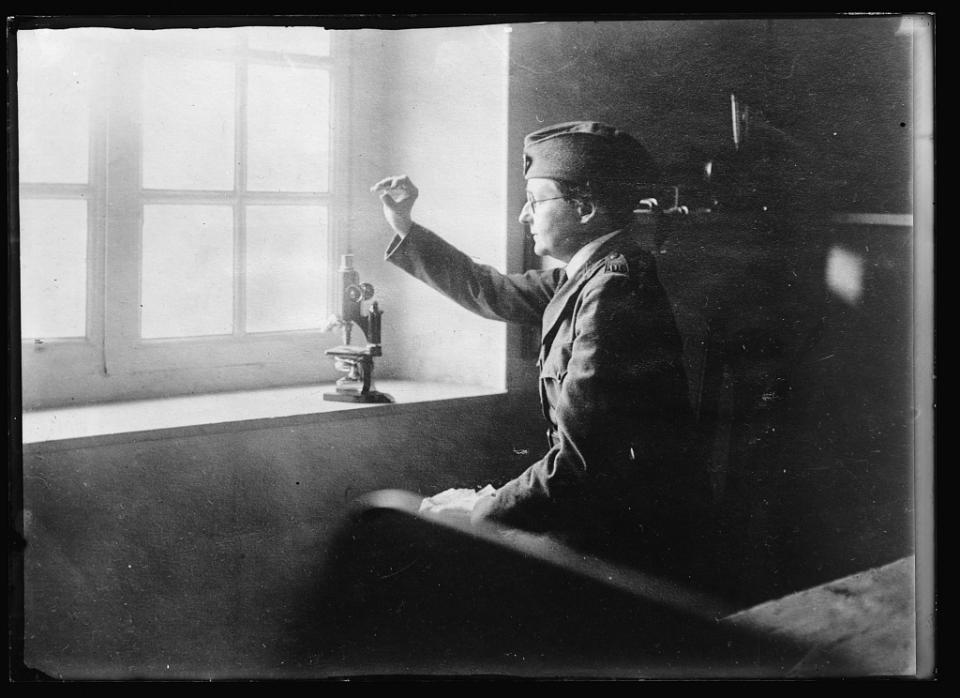
The history of technology, science environment and medicine is a dynamic field for graduate students. Several faculty members in the Department of History specialize in the history of technology and the environment in the United States, Europe and Eurasia in the 20th century. Specialists elsewhere on campus focus on related fields such as the history of biology, medicine and public health. Graduate students may choose technology, science and environment as their “general field,” or their “minor field,” or they may take courses in the field to enrich their study of the United States, Latin America or Europe.
Resources
Institutional resources on campus are outstanding. They include the Center for Engagement, Environmental Justice and Health INpowering Communities; the Indigenous Futures Lab (which showcases Black and Indigenous environmental works, among other projects); the Wekesa Earth Center at the School of Public Health; and the Stormwater Infrastructure Resilience and Justice Lab at the School of Architecture, Planning and Preservation. The NSF-funded RECSLAC (Red de Ciencias y Saberes en Latinoamérica y el Caribe, Network for the Study of Science and Knowledge in Latin America and the Caribbean) project is housed at UMD.
Institutional resources in the greater Washington/Baltimore area are also exceptional. Students will be able to take advantage of archival resources at the National Archives, as well as government departments such as NASA and the NIH. The collections of the Library of Congress and the Smithsonian Institution are located within easy reach in downtown Washington; we are also close to the National Library of Medicine in Bethesda. We have thriving partnerships with the American Institute of Physics, including the Niels Bohr Library and Archives and its collections of personal papers and rare books in the history of the physical sciences, as well as the Plant Humanities Lab and Garden Library at Dumbarton Oaks.
Faculty
Melinda Baldwin
Associate Professor, History
Associate Department Chair, History
2128 Taliaferro Hall
College Park
MD,
20742
Sarah Cameron
Associate Professor, History
2101J Francis Scott Key Hall
College Park
MD,
20742
Patrick Chung
Assistant Professor, History
2101G Francis Scott Key Hall
College Park
MD,
20742
Zachary Dorner
Associate Professor, History
2101M Francis Scott Key Hall
College Park
MD,
20742
Robert Friedel
Professor Emeritus, History
2128 Taliaferro Hall
College Park
MD,
20742
Jayson Porter
Assistant Professor, History
Latin American and Caribbean Studies Center
Taliaferro Hall 2116
College Park
MD,
20742
Karin Rosemblatt
Affiliate Professor, The Harriet Tubman Department of Women, Gender, and Sexuality Studies
Professor, History
2127 Taliaferro Hall
College Park
MD,
20742